




VPS Hosting: Complete Guide to Virtual Private Servers (2026)
As websites and online businesses grow, they often need more power and flexibility than basic shared hosting can provide. This is where VPS hosting (Virtual Private Server hosting) becomes an ideal solution.
VPS hosting offers a balance between shared hosting and dedicated servers. It provides more resources, better performance, and improved security without the high cost of a dedicated server.
In this guide, we’ll explain what VPS hosting is, how it works, its advantages, and how to choose the best VPS hosting provider in 2026.
What Is VPS Hosting?
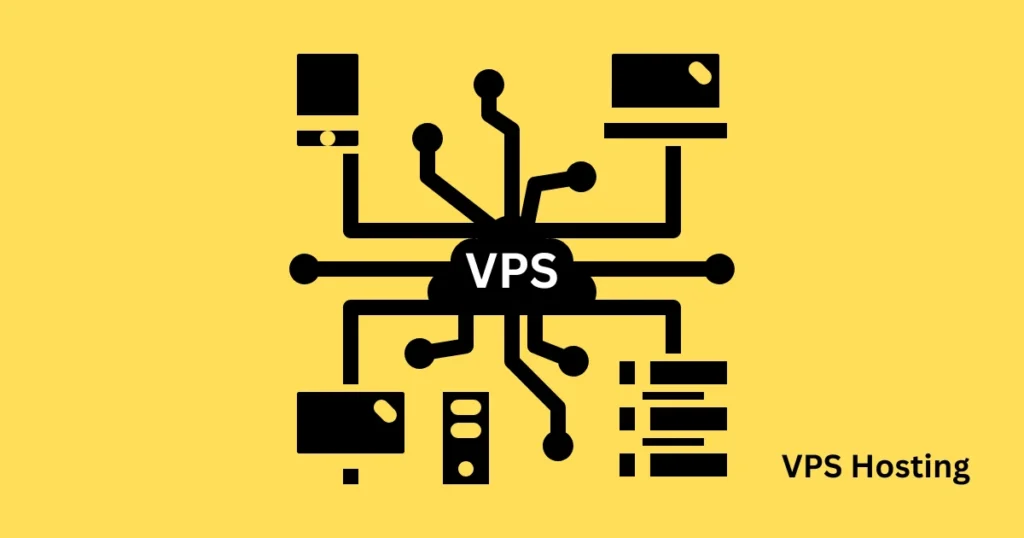
VPS hosting stands for Virtual Private Server hosting. It is a hosting environment where a physical server is divided into multiple virtual servers using virtualization technology.
Each virtual server operates independently and has its own:
- Operating system
- CPU resources
- RAM allocation
- Storage space
Although multiple VPS instances share the same physical hardware, each server functions like a dedicated server.
How VPS Hosting Works
VPS hosting uses virtualization software called a hypervisor to divide a physical server into multiple isolated virtual machines.
Each virtual machine acts as an independent server that users can configure and manage.
The process works like this:
1. A powerful physical server is installed in a data center.
2. Virtualization software divides the server into multiple virtual servers.
3. Each VPS user receives dedicated resources and control over their environment.
This setup provides better performance and stability compared to shared hosting.
VPS Hosting vs Shared Hosting
Understanding the difference between shared hosting and VPS hosting helps website owners choose the right option.
Shared Hosting: In shared hosting, many websites share the same server resources.
Advantages:
- Low cost
- Easy setup
- Beginner-friendly
Disadvantages:
- Limited resources
- Slower performance during traffic spikes
- Less control over server settings
VPS Hosting: In VPS hosting, resources are divided into virtual servers.
Advantages:
- Dedicated resources
- Better performance
- Greater control and customization
Disadvantages:
- Higher cost than shared hosting
- Requires basic technical knowledge
VPS hosting is often the next step for websites that outgrow shared hosting plans.
Key Features of VPS Hosting
VPS hosting offers several powerful features that improve website performance and reliability.
Dedicated Resources: Each VPS user receives allocated CPU, RAM, and storage that are not shared with other users.
Root Access: Many VPS plans provide full root access, allowing users to install software and configure server settings.
Scalability: VPS resources can be easily upgraded as your website grows.
Improved Security: Virtual isolation ensures that other users on the server cannot affect your environment.
Better Performance: Because resources are dedicated, websites hosted on VPS servers typically load faster than those on shared hosting.
Types of VPS Hosting
There are two main types of VPS hosting services.
Managed VPS Hosting: In managed VPS hosting, the hosting provider handles technical tasks such as:
- Server updates+
- Security monitoring
- Performance optimization
Managed VPS is ideal for users who do not have strong technical skills.
Unmanaged VPS Hosting: With unmanaged VPS hosting, users are responsible for server management.
This includes:
- Installing software
- Managing security
- Troubleshooting server issues
This option is preferred by developers and system administrators who want full control.
Best VPS Hosting Providers in 2026
Several companies provide reliable VPS hosting services.
Hostinger VPS: Hostinger offers affordable VPS hosting with excellent performance.
Key features:
- NVMe SSD storage
- Dedicated IP address
- Full root access
- Powerful control panel
Hostinger is popular among developers and growing websites.
Bluehost VPS: Bluehost provides VPS hosting designed for businesses and WordPress websites.
Features include:
- Multi-server management
- Enhanced cPanel interface
- Scalable resources
It is a good option for users upgrading from shared hosting.
DigitalOcean: DigitalOcean provides cloud-based VPS servers known as “Droplets”.
Key features:
- Developer-friendly environment
- Flexible pricing
- High-performance SSD servers
It is widely used by startups and developers.
Linode: Linode offers high-performance VPS hosting with simple pricing.
Features include:
- High-speed servers
- Advanced developer tools
- Global data centers
Linode is ideal for businesses and developers needing reliable infrastructure.
When Should You Use VPS Hosting?
VPS hosting is suitable for several types of projects.
Common use cases include:
- Growing websites with higher traffic
- E-commerce stores
- Web applications
- Game servers
- Development environments
If your website experiences slow performance on shared hosting, upgrading to VPS hosting can significantly improve speed and reliability.
Benefits of VPS Hosting
VPS hosting provides several advantages.
Better Website Performance: Dedicated resources ensure stable and consistent performance.
More Control:Users can customize server configurations and install custom software.
Improved Security: Virtual isolation protects your environment from other users.
Scalability:Resources can be increased as your website traffic grows.
Limitations of VPS Hosting: Although VPS hosting offers many benefits, it also has some drawbacks.
Higher Cost:VPS hosting costs more than shared hosting.
Technical Knowledge Required: Managing a VPS server requires some understanding of server administration.
Maintenance Responsibilities:Unmanaged VPS plans require users to maintain security and updates themselves.
Tips for Choosing the Best VPS Hosting
- When selecting a VPS hosting provider, consider the following factors:
- Server performance and hardware quality.
- Available RAM and CPU resources.
- Scalability options for future growth.
- Customer support and reliability.
- Security features and backup options.
Choosing the right provider ensures better performance and long-term stability.
Future of VPS Hosting
VPS hosting continues to evolve as cloud technologies improve.
Future developments may include:
- Faster virtualization technologies
- AI-based server optimization
- Enhanced security monitoring
- Improved scalability for web applications
These advancements will make VPS hosting even more efficient and accessible.
Final Thoughts
VPS hosting provides a powerful hosting solution for websites that need more performance and control than shared hosting can offer.
By dividing a physical server into multiple virtual environments, VPS hosting delivers dedicated resources, improved security, and greater flexibility.
Popular providers like Hostinger, Bluehost, DigitalOcean, and Linode offer reliable VPS solutions for businesses, developers, and growing websites.
If your website is expanding or requires better performance, VPS hosting is one of the best hosting solutions available in 2026.
Best software Guide
Best Code Editors for Beginners
VS Code vs Sublime Text
Best Programming Languages to Learn
Best IDEs for Developers (2026)