If you click on the links and make a purchase, we may earn a commission.
Choosing the best camera for photography depends on what you shoot, how much you want to spend, and how much flexibility you need. Modern mirrorless cameras offer excellent image quality, fast autofocus, interchangeable lenses, powerful image processors, and advanced subject detection.
Table of Contents
Image Credit: Canva
Whether you’re photographing portraits, landscapes, wildlife, sports, travel, street scenes, or everyday moments, the right camera can help you capture sharper images and give you greater creative control than a smartphone.
For beginners, an affordable APS-C camera can be an excellent starting point. Enthusiasts may prefer a more advanced hybrid camera, while professional photographers often benefit from full-frame sensors, sophisticated autofocus systems, high-resolution sensors, and extensive lens ecosystems.
In this guide, we’ve compared the best cameras for photography in 2026, including options for beginners, travel photographers, professionals, portraits, wildlife, and general photography.
Quick Comparison: Best Cameras for Photography
| Camera | Best For | Key Feature | Sensor | Resolution | Rating |
|---|---|---|---|---|---|
| Sony A7 IV | Best Overall | Excellent hybrid performance | Full-frame | 33MP | 9.8/10 |
| Canon EOS R6 Mark II | Best Canon | Outstanding autofocus | Full-frame | 24.2MP | 9.7/10 |
| Nikon Z6 III | Best Nikon | Fast hybrid performance | Full-frame | 24.5MP | 9.7/10 |
| Sony A7R V | Best High Resolution | 61MP sensor | Full-frame | 61MP | 9.8/10 |
| Fujifilm X-T5 | Best APS-C | 40.2MP sensor | APS-C | 40.2MP | 9.7/10 |
| Sony A6700 | Best Compact | Advanced autofocus | APS-C | 26MP | 9.6/10 |
| Canon EOS R50 | Best Beginner | Easy autofocus | APS-C | 24.2MP | 9.5/10 |
| Fujifilm X-S20 | Best Hybrid APS-C | Stabilization + versatility | APS-C | 26.1MP | 9.6/10 |
| Nikon Z50 II | Best Value Nikon | Excellent handling | APS-C | 20.9MP | 9.4/10 |
Specifications, lenses, accessories, availability, and pricing can vary by retailer and region.
1. Sony A7 IV — Best Camera for Photography Overall
The Sony A7 IV is our overall pick because it provides an excellent balance of resolution, autofocus, image quality, handling, and lens selection.
Its 33MP full-frame sensor provides enough resolution for detailed photographs while maintaining a practical file size for everyday editing and storage.
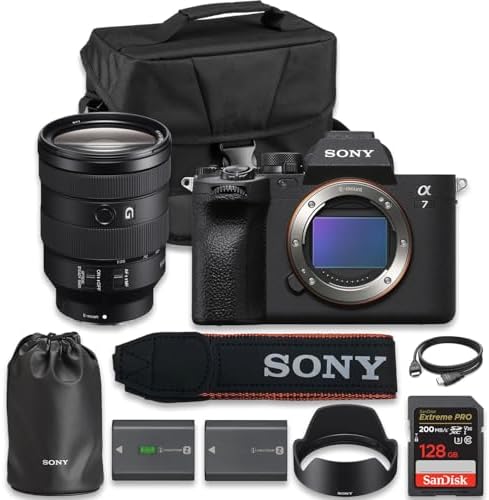
- 33MP full-frame Exmor R back-illuminated CMOS sensor
- 8x more powerful, next generation BIONZ XR image processing engine
- Up to 4K 60p11 10-bit 4:2:2 w/ full pixel readout in all rec. formats
Key Features
- 33MP full-frame sensor
- Advanced autofocus
- Real-time subject tracking
- In-body image stabilization
- Electronic viewfinder
- Fully articulating screen
- Extensive lens ecosystem
- Excellent low-light performance
- Strong battery life
The A7 IV is particularly appealing to photographers who shoot multiple genres.
Best For
Portraits, travel, weddings, landscapes, street photography, and hybrid creators.
Our Rating: 9.8/10
2. Canon EOS R6 Mark II — Best Canon Camera for Photography
The Canon EOS R6 Mark II is an excellent full-frame camera for photographers who prioritize autofocus and fast performance.

- This Digital Camera Bundle Items Includes: Canon EOS R6 Mark II Mirrorless Camera USA Model With Limited 1-Year Manufact…
- Camera Carrying Case, Canon R-F-5 Camera Cover, Canon E-67 II Lens, Camera Strap, Shoe Cover, Battery Pack Cover, Micro-…
- Hitting a sweet-spot in terms of resolution, the R6 Mark II incorporates a new 24.2MP CMOS sensor that’s versatile for b…
Key Features
- 24.2MP full-frame sensor
- Advanced Dual Pixel CMOS autofocus
- In-body image stabilization
- High-speed continuous shooting
- Electronic viewfinder
- Vari-angle touchscreen
- RF lens compatibility
- Strong low-light performance
The camera’s autofocus makes it particularly useful when photographing moving subjects.
Best For
Sports, wildlife, weddings, portraits, events, and general photography.
Our Rating: 9.7/10
3. Nikon Z6 III — Best Nikon Camera for Photography
The Nikon Z6 III is a versatile full-frame cameras that works well for both still photography and video.

- Bundle Includes: Nikon Z6 III Mirrorless Camera with 24-120mm lens + Camera Bag + 128GB Memory Card
- 24.5MP PARTIALLY STACKED FULL FRAME SENSOR: The Nikon Z6 III features a newly developed 24.5MP FX-format partially stack…
- FLAGSHIP AUTOFOCUS AND HIGH-SPEED SHOOTING: Equipped with a 299-point phase-detection autofocus system and AI-based subj…
Key Features
- Full-frame sensor
- 24.5MP resolution
- Advanced autofocus
- In-body image stabilization
- High-speed continuous shooting
- High-quality electronic viewfinder
- Vari-angle display
- Nikon Z lens ecosystem
Its balanced resolution makes it suitable for photographers who need both detail and fast performance.
Best For
Wildlife, sports, portraits, travel, events, and hybrid photography.
Our Rating: 9.7/10
4. Sony A7R V — Best High-Resolution Camera
If maximum detail is your priority, the Sony A7R V is one of the strongest options available.
Its 61MP full-frame sensor provides substantial resolution for cropping, large prints, commercial photography, and highly detailed landscapes.

- Combining resolution and precision, the Sony a7R V is the mirrorless camera designed for those who crave detail. Featuri…
- A top pick for users looking for a lightweight all-around zoom, the FE 28-70mm f/3.5-5.6 OSS Lens from Sony is a great g…
- An ideal complement to many kit zooms, the black E 55-210mm f/4.5-6.3 OSS Lens from Sony opens the door to many telephot…
Key Features
- 61MP full-frame sensor
- Advanced AI-assisted autofocus
- Subject recognition
- In-body image stabilization
- High-resolution electronic viewfinder
- Articulating screen
- Extensive lens selection
- Excellent dynamic range
The downside is that high-resolution files require more storage and processing power.
Best For
Landscape, commercial, studio, architecture, portraits, and professional photography.
Our Rating: 9.8/10
5. Fujifilm X-T5 — Best APS-C Cameras for Photography
The Fujifilm X-T5 combines a high-resolution APS-C sensor with classic camera controls and Fujifilm’s popular Film Simulation modes.

- FUJIFILM X-T5 Mirrorless Camera with XF 16-50mm f/2.8-4.8 Lens, Silver (USA Warranty)
- SanDisk 128GB Extreme PRO SDXC Memory Card
- Spare Power2000 NP-W235 Battery (ACD-451), Premium Tech AC/DC Travel Charger for NP-W235 battery
Key Features
- 40.2MP APS-C sensor
- In-body image stabilization
- Advanced autofocus
- High-resolution electronic viewfinder
- Weather-resistant construction
- Physical exposure controls
- Film Simulation modes
- Compact body
It is especially attractive to photographers who enjoy a traditional photography experience.
Best For
Street photography, travel, portraits, landscapes, and enthusiasts.
Our Rating: 9.7/10
6. Sony A6700 — Best Compact Photography Cameras
The Sony A6700 provides advanced autofocus and excellent image quality in a relatively compact APS-C body.
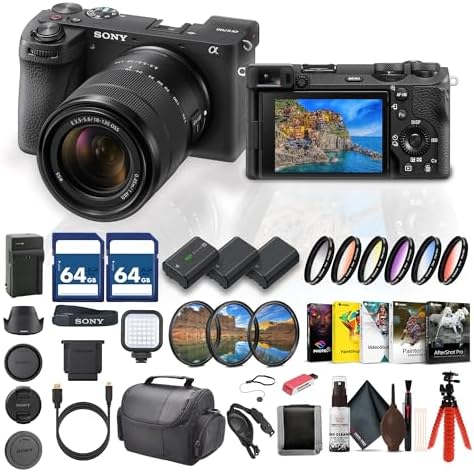
- Sony USA Authorized. Bundle Includes: Sony Alpha a6700 Mirrorless Camera with 18-135mm Lens, 2 x 64GB Memory Card, 3 Pie…
- The Sony a6700 Mirrorless Camera seamlessly combines Sony’s Cinema Line innovations with the acclaimed α-series still-im…
- Experience the magic of cinematic video with the Sony a6700. Its advanced AI-powered autofocus and image stabilization t…
Key Features
- APS-C sensor
- Approximately 26MP resolution
- AI-assisted subject recognition
- In-body stabilization
- Interchangeable lenses
- Compact design
- Fully articulating screen
- Strong battery performance
It’s an excellent choice for photographers who travel frequently and don’t want to carry a large full-frame system.
Best For
Travel, street photography, wildlife, portraits, and everyday photography.
Our Rating: 9.6/10
7. Canon EOS R50 — Best Cameras for Photography Beginners
The Canon EOS R50 is an excellent entry-level camera for photographers who want to move beyond smartphone photography.

- Great for Vloggers & Beginners: Lightweight and easy to use, the R50 is perfect for new creators who want great quality …
- Includes Versatile 18–45mm Lens: Covering wide to standard focal lengths, this compact zoom lens is great for daily cont…
- Oversampled 4K with Dual Pixel AF: Enjoy sharp, smooth footage with reliable subject tracking, face/eye detection, and a…
Key Features
- 24.2MP APS-C sensor
- Excellent autofocus
- Electronic viewfinder
- Vari-angle touchscreen
- Interchangeable lenses
- Compact body
- Wireless connectivity
- Easy-to-use controls
Its relatively small size makes it comfortable to carry while learning photography fundamentals.
Best For
Beginners, students, families, travel, and everyday photography.
Our Rating: 9.5/10
8. Fujifilm X-S20 — Best Hybrid APS-C Cameras
The Fujifilm X-S20 is a flexible cameras for photographers who also create video.
Key Features
- 26.1MP APS-C sensor
- In-body image stabilization
- Advanced autofocus
- Fully articulating screen
- 6.2K video
- Excellent battery life
- Film Simulation modes
- Interchangeable lenses
Its image stabilization and compact design make it particularly useful for travel photography.
Best For
Travel, portraits, street photography, content creation, and hybrid shooters.
Our Rating: 9.6/10
9. Nikon Z50 II — Best Nikon APS-C Camera
The Nikon Z50 II is a compact APS-C camera with strong autofocus and comfortable ergonomics.

- 【5K Ultra HD Videos & 80MP High-Resolution Photos】The digital camera captures intricately detailed 5K Ultra HD videos an…
- 【Fast Autofocus & Built-in Flash】Built with a high-performance fast autofocus system, this vlogging camera rapidly locks…
- 【30 Creative Filters & Multiple Shooting Modes】The video camera features 30 built-in creative filters for diverse visual…
Key Features
- 20.9MP APS-C sensor
- Advanced autofocus
- Electronic viewfinder
- Vari-angle touchscreen
- Nikon Z lens compatibility
- Compact design
- Wireless connectivity
- Strong handling
It is a good choice for photographers who want an accessible Nikon system without the size and cost of many full-frame cameras.
Best For
Travel, portraits, family photography, street photography, and beginners.
Our Rating: 9.4/10
What Makes a Good Photography Camera?
A camera’s megapixel count is only one part of the equation.
1. Sensor Size
Sensor size affects image quality, low-light performance, depth of field, and camera size.
| Sensor | Best Advantage |
|---|---|
| Micro Four Thirds | Compact systems |
| APS-C | Excellent balance |
| Full-frame | Low light and depth of field |
| Medium format | Maximum detail |
For most photographers, APS-C and full-frame cameras offer the best combination of performance and practicality.
2. Autofocus
Modern autofocus systems have become extremely sophisticated.
Look for:
- Eye detection
- Face detection
- Animal recognition
- Vehicle recognition
- Subject tracking
- Continuous autofocus
Reliable autofocus is particularly important for wildlife, sports, children, pets, and event photography.
3. Image Stabilization
In-body image stabilization can reduce camera shake when shooting handheld.
It is particularly useful for:
- Travel
- Street photography
- Night photography
- Indoor photography
- Portraits
Stabilization can allow you to use slower shutter speeds when photographing stationary subjects.
Best Cameras by Photography Type
| Photography Type | Recommended Camera |
|---|---|
| Overall | Sony A7 IV |
| Beginner | Canon EOS R50 |
| Portraits | Sony A7 IV |
| Landscape | Sony A7R V |
| Wildlife | Canon EOS R6 Mark II |
| Sports | Canon EOS R6 Mark II |
| Travel | Sony A6700 |
| Street | Fujifilm X-T5 |
| Professional | Sony A7R V |
| Hybrid photography | Fujifilm X-S20 |
| Nikon users | Nikon Z6 III |
| High resolution | Sony A7R V |
Best Camera for Portrait Photography
Portrait photographers often prioritize:
- Skin tones
- Autofocus
- Lens selection
- Background separation
- Low-light performance
- Resolution
The Sony A7 IV is an excellent all-around portrait camera.
The Sony A7R V is ideal for photographers who need maximum detail, while Fujifilm’s cameras offer attractive color profiles and Film Simulation options.
A good portrait lens can be just as important as the camera body.
Best Camera for Landscape Photography
Landscape photographers generally benefit from:
- High resolution
- Dynamic range
- Weather resistance
- Low-light performance
- Wide-angle lenses
- Strong battery life
The Sony A7R V is an excellent high-resolution option.
The Fujifilm X-T5 is another compelling choice for photographers who prefer a smaller APS-C system.
Best Camera for Wildlife Photography
Wildlife photography requires fast autofocus, high burst rates, long lenses, and good subject tracking.
The Canon EOS R6 Mark II is particularly strong for this type of photography.
The Sony A6700 can also be attractive for wildlife photographers who want a smaller APS-C system.
When choosing a wildlife camera, don’t forget to budget for a quality telephoto lens.
Best Cameras for Travel Photography
Travel photographers should consider:
- Weight
- Battery life
- Lens size
- Weather resistance
- Image stabilization
- Autofocus
- Versatility
The Sony A6700 and Fujifilm X-S20 are excellent travel choices because they provide strong image quality without requiring a large full-frame kit.
Camera Accessories Every Photographer Should Consider
Extra Battery
A spare battery is useful for travel, events, and long photo sessions.
Memory Cards
Choose reliable cards that meet your camera’s speed requirements.
Camera Bag
A dedicated bag protects your equipment and makes transportation easier.
Tripod
A tripod is valuable for landscapes, long exposures, portraits, studio work, and night photography.
Extra Lens
A second lens can dramatically expand your photographic capabilities.
External Flash
Useful for portraits, events, indoor photography, and creative lighting.
How Many Megapixels Do You Need?
More megapixels aren’t automatically better.
For everyday photography, 20–30MP is more than enough for most users.
Higher-resolution cameras such as the Sony A7R V are useful when you need:
- Large prints
- Extensive cropping
- Commercial photography
- Architecture
- Product photography
- Maximum detail
However, higher-resolution files consume more storage and require more powerful editing hardware.
Mirrorless vs. DSLR for Photography
| Feature | Mirrorless | DSLR |
|---|---|---|
| Size | Usually smaller | Usually larger |
| Autofocus | Excellent | Good to excellent |
| Lens availability | Excellent | Mature ecosystems |
| Electronic viewfinder | Yes | Optical |
| Video | Excellent | Varies |
| Battery life | Often lower | Often higher |
| Future development | Strong | More limited |
| Beginner-friendly | Excellent | Good |
For most new buyers in 2026, mirrorless cameras are the more future-focused choice.
How to Choose the Best Cameras for Photography
Before buying, consider what you photograph most.
For portraits: Prioritize autofocus, lens selection, and low-light performance.
For wildlife: Look for fast autofocus, burst shooting, subject tracking, and telephoto lens options.
For landscapes: Resolution, dynamic range, weather resistance, and wide lenses matter.
For travel: Choose a lightweight camera with a compact lens system.
For beginners: Prioritize ease of use and affordability.
For professionals: Consider the entire ecosystem, including lenses, accessories, storage, workflow, and reliability.
Final Verdict
The Sony A7 IV is our overall pick for the best cameras for photography in 2026 because it offers an outstanding combination of image quality, autofocus, stabilization, resolution, and lens flexibility.
The Canon EOS R6 Mark II is an excellent choice for photographers who prioritize fast autofocus and moving subjects, while the Nikon Z6 III is a powerful option for Nikon users.
For photographers who need maximum resolution, the Sony A7R V stands out with its 61MP full-frame sensor. The Fujifilm X-T5 is an excellent APS-C alternative, especially for travel and street photographers.
Beginners should consider the Canon EOS R50, while creators who want a compact but advanced camera can look at the Sony A6700 or Fujifilm X-S20.
Ultimately, the best photography cameras isn’t determined by megapixels alone. Autofocus, sensor performance, lens selection, ergonomics, stabilization, battery life, and your shooting style all matter.
Before purchasing, consider the complete camera system rather than just the body. A great lens can have a substantial impact on your photographs and may remain useful even after you upgrade your camera.
Frequently Asked Questions
What is the best camera for photography in 2026?
The Sony A7 IV is our overall choice because it combines excellent image quality, autofocus, stabilization, resolution, and a large selection of lenses.
What is the best camera for beginners?
The Canon EOS R50 is an excellent beginner camera because it offers simple controls, strong autofocus, interchangeable lenses, and a compact design.
Is mirrorless better than DSLR?
For most new buyers, mirrorless cameras offer advantages in size, autofocus, video capabilities, and modern features. DSLRs can still be excellent cameras, particularly for photographers who already own compatible lenses.
How many megapixels do I need for photography?
Most photographers can comfortably use a camera with around 20–30MP. Higher resolutions are useful for large prints, commercial work, landscapes, and heavy cropping.
What is the best camera for portraits?
The Sony A7 IV is an excellent all-around portrait camera. Pairing it with a quality portrait lens can produce excellent subject separation and image quality.
What is the best camera for wildlife photography?
The Canon EOS R6 Mark II is a strong choice for wildlife because of its autofocus, continuous shooting performance, stabilization, and subject detection.
What is the best camera for landscape photography?
The Sony A7R V is an excellent high-resolution choice for landscapes because its 61MP sensor provides substantial detail and cropping flexibility.
Is APS-C good enough for professional photography?
Yes. Modern APS-C cameras such as the Fujifilm X-T5 and Sony A6700 can produce professional-quality photographs.
Is full-frame worth the extra money?
Full-frame can be worthwhile if you need excellent low-light performance, shallow depth of field, or professional features. However, APS-C cameras offer excellent value for many photographers.
What lens should I buy first?
A versatile standard zoom is often the best starting point. Portrait photographers may prefer a fast prime, while landscape and travel photographers may benefit from a wide-angle lens.
Do I need image stabilization?
It is highly useful for handheld photography, especially when shooting indoors, at night, or with slower shutter speeds.
What camera is best for travel photography?
The Sony A6700 and Fujifilm X-S20 are excellent travel options because they combine strong image quality with relatively compact bodies.
Are smartphones still good for photography?
Yes. Modern smartphones are excellent for everyday photography. Dedicated cameras provide greater lens flexibility, larger sensors, manual control, and better performance for specialized photography.
What should I look for when buying a photography camera?
Focus on sensor size, image quality, autofocus, stabilization, resolution, lens selection, battery life, ergonomics, weather resistance, storage requirements, and the total cost of the camera system.
Best Products
Best Smartphones for Everyday Use in 2026
Best Laptops for Students in 2026